

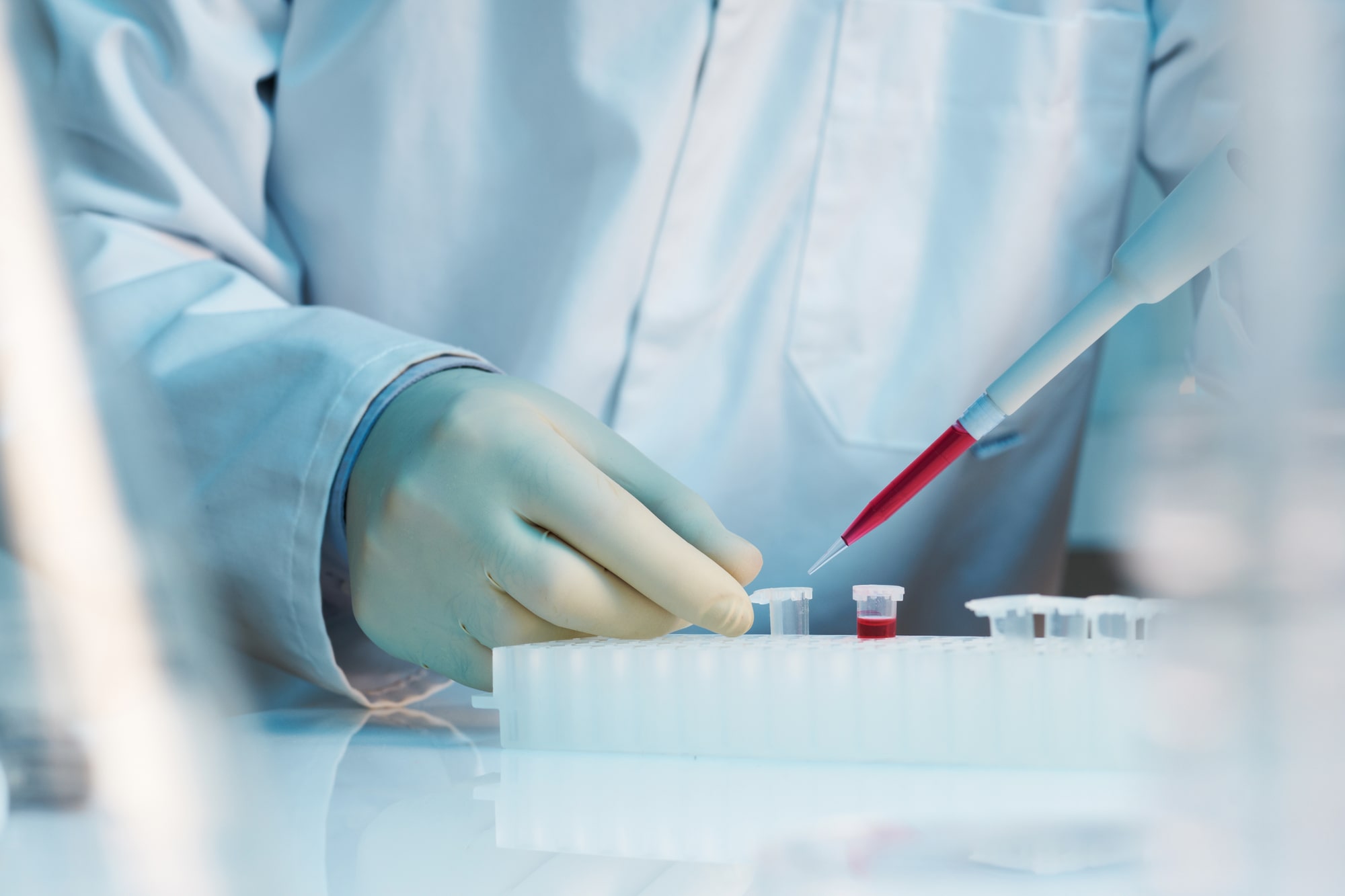
Prosecutors love blood test results. They present them as ironclad scientific proof that you were driving under the influence. But those results are only as good as the people and processes behind them. Think about it. Your blood sample passes through multiple hands before anyone actually tests it. A phlebotomist draws it. Someone transports it. Lab technicians store it, handle it, analyze it. That’s a lot of opportunities for something to go wrong. When law enforcement arrests someone for DUI in Washington, they often request a blood draw to measure blood alcohol concentration. From that moment until a lab produces results, the sample travels a complicated path. Each step in that journey can introduce errors that compromise the accuracy of what ends up in the prosecutor’s file.
Chain Of Custody Weaknesses
Chain of custody sounds technical, but it’s actually straightforward. It’s the paper trail showing who touched your blood sample and when. Law enforcement must document every single transfer to prove the sample wasn’t tampered with or mixed up with someone else’s. You’d be surprised how often these records fall apart under scrutiny. Common problems include:
- Missing documentation about who collected or moved the sample
- Timeline gaps that can’t be explained
- Improperly sealed or mislabeled vials
- People accessing samples without signing for them
- Samples that just disappear during storage
Even one break in that chain raises serious questions. Was this really your blood that got tested? Can the state prove it? A Bellevue high BAC DUI defense lawyer knows exactly where to look for these gaps, and they’re more common than you might think.
Storage And Preservation Issues
Blood degrades. It’s biological material, and without proper handling, it changes over time in ways that can completely alter test results. Washington has specific regulations about temperature control and preservation. When labs don’t follow them, the results become unreliable. Sometimes dramatically so.
Temperature Control Failures
Your blood sample needs refrigeration at precise temperatures. Refrigerators fail. Power goes out. Equipment malfunctions happen more often than crime labs want to admit. Some facilities don’t even maintain proper temperature logs, which means there’s no way to verify the sample stayed cold. If the prosecution can’t prove proper storage, how can they prove accurate results?
Preservation Chemical Problems
Blood collection tubes contain chemicals that prevent clotting and stop bacterial growth. But if someone uses expired tubes or the wrong preservatives, problems develop fast. Fermentation can occur, and that process creates alcohol that wasn’t in your bloodstream when you got arrested.
Time Delays
The clock matters. Blood sitting around for weeks or months before testing raises obvious accuracy concerns. Some samples get tested well beyond any reasonable timeframe, yet prosecutors still rely on those results as if they’re fresh data.
Laboratory Testing Errors
Even if the collection went perfectly and storage was flawless, labs still make mistakes. Crime labs process hundreds of samples. They’re busy, understaffed, and working under pressure. Samples get mixed up. Equipment malfunctions. Technicians take shortcuts or make calculation errors. Eastside DUI has seen all of it. We’ve reviewed cases where lab reports contained basic math mistakes or where required quality control tests simply weren’t run.
Equipment Calibration And Maintenance
Gas chromatography machines need regular calibration to work correctly. When labs skip maintenance or don’t document it properly, those results become questionable. Your attorney can subpoena maintenance records, and sometimes what they reveal is shocking. Equipment that hasn’t been properly maintained in months. Calibration logs with obvious gaps.
Analyst Qualifications And Training
Not every lab technician has the same training or experience. Some lack proper certification. Others received inadequate instruction on specific testing procedures. And yes, sometimes analysts have disciplinary histories that call their work into question. All of this matters when your freedom is on the line.
Building A Defense Around Test Deficiencies
A Bellevue high BAC DUI defense lawyer can get everything related to your blood test. Chain of custody documentation. Storage records. Lab protocols. Analyst credentials. The complete file. That documentation often reveals problems. Sometimes minor ones, sometimes major procedural violations that undermine the entire case against you. Independent experts can review how the state handled your sample and identify technical failures that affected accuracy. In some situations, retesting under proper conditions produces completely different results. That’s happened more than once.
When significant errors exist, courts may exclude the blood evidence entirely. Without it, prosecutors often can’t prove their case. Other times, identifying these weaknesses leads to reduced charges or better plea agreements because the state knows its primary evidence won’t hold up. If you’re facing DUI charges based on blood test results, don’t assume those numbers are accurate just because they came from a lab. The testing process involves numerous steps where human error, equipment failure, or procedural shortcuts can occur. Identifying those problems requires someone who knows what to look for and won’t accept the state’s version of events at face value.
