

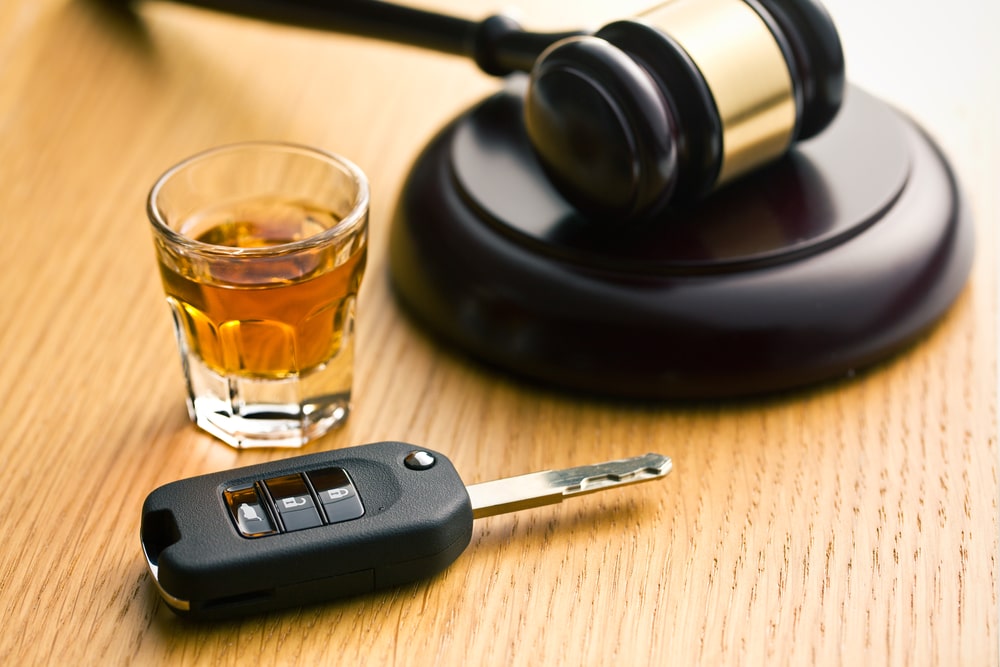
When most people think about DUI evidence, they assume the number on a breathalyzer or blood test tells the whole story. It doesn’t. The human body absorbs alcohol at a rate that varies from person to person and circumstance to circumstance, and that biological reality is the foundation of one of the most scientifically grounded defenses available in a DUI case.
Our friends at Seyb Law Group work through this with clients regularly, and what a DUI lawyer will tell you is that the rising blood alcohol defense is not a technicality. It is a legitimate challenge to whether the test result actually reflects your blood alcohol level at the time you were driving.
How Alcohol Absorption Actually Works
After you consume alcohol, your body doesn’t absorb it instantaneously. Alcohol moves from your stomach and small intestine into your bloodstream over a period of time that can range from roughly 30 minutes to two hours depending on factors like how much you ate, what you drank, how quickly you drank, and your individual metabolism.
During that absorption phase, your blood alcohol concentration is still rising. If you were pulled over and tested while your body was still in that absorption phase, the reading obtained by law enforcement may have been higher than your actual blood alcohol level was while you were behind the wheel.
That gap between when you were driving and when you were tested is the core of the rising blood alcohol argument.
Why the Timing of the Test Matters
California law makes it illegal to drive with a blood alcohol concentration of 0.08 percent or higher. The relevant question is what your concentration was while you were actually driving, not what it measured 45 minutes or an hour later at the police station.
If your blood alcohol level was still rising between the time you were pulled over and the time the test was administered, the test result may overstate your actual impairment at the time of driving. A reading of 0.09 at the station, for example, might correspond to a level below the legal limit when you were actually operating the vehicle.
What the Defense Requires to Work
The rising blood alcohol defense is most effective when specific conditions are present:
- The test was administered a meaningful amount of time after the traffic stop
- Your blood alcohol reading was close to the legal limit rather than significantly above it
- There is evidence about what and when you consumed alcohol before driving
- A toxicology expert can testify about absorption rates and how they apply to your specific situation
- The timeline of events from the stop through the test is well documented
Without expert testimony supporting the scientific basis of the argument, this defense is harder to present effectively. That’s one reason why having an experienced DUI attorney involved early matters so much.
How This Defense Fits Into Your Overall Strategy
The rising blood alcohol argument doesn’t stand alone in most cases. It works alongside other aspects of the defense, including challenges to the traffic stop itself, the administration of field sobriety tests, and the maintenance and calibration records of the testing device. Together those challenges can create reasonable doubt about whether the prosecution has actually proven what it needs to prove.
If your DUI charge involves a test result that was taken well after you were stopped, and particularly if your reading was near the legal limit, reaching out to a criminal defense attorney as soon as possible gives you the best opportunity to evaluate whether this defense applies to your situation.
