

Summer on Lake Washington or Lake Sammamish means boats, sunshine, and for many people, a few drinks on the water. It feels different from driving—more relaxed, more recreational. The boundaries between operating a vessel and simply enjoying the day blur easily. But Washington law doesn’t see it that way. Boating under the influence carries the same 0.08% BAC threshold as driving, similar penalties, and consequences that can follow you onto land long after you’ve docked.
The enforcement environment has intensified in recent years. The King County Sheriff’s Marine Unit patrols both lakes aggressively during boating season, setting up checkpoint-style operations near popular launch sites and conducting random stops. What started as a casual afternoon on the water can end with handcuffs, a blood draw, and criminal charges that threaten your driving privileges—not just your ability to operate a boat.
Eastside DUI has defended boating under the influence cases on King County waterways for 15 years. Our attorneys—Roberto Yranela, Matthew Skau, and Robin Tu—understand that BUI cases involve unique legal and factual issues that differ from roadway DUI. A Bellevue, WA DUI lawyer from our firm can evaluate the circumstances of your stop, challenge the evidence against you, and protect both your boating privileges and your driver’s license.
Contact us for a free consultation.
Why Choose Eastside DUI For Boating DUI Defense In Bellevue, WA?
We Know the Waters and the Law
Boating DUI cases present challenges that roadway DUI cases don’t. The conditions on the water—waves, wind, sun glare, and boat movement—affect both operator performance and the reliability of any field testing conducted aboard a rocking vessel. Officers conducting marine patrol may have less DUI investigation experience than their traffic counterparts. And the legal framework governing boat stops differs from traffic stops in ways that matter for your defense.
A Bellevue boating DUI attorney who understands these distinctions can identify defense opportunities that attorneys unfamiliar with maritime enforcement miss entirely.
Roberto Yranela has defended BUI cases arising from Lake Washington, Lake Sammamish, and other King County waterways since 2013. He understands how marine patrol units operate, what justifies a boat stop versus a traffic stop, and how environmental conditions on the water affect the reliability of impairment evidence. His undergraduate education at the University of Washington and J.D. from alparaiso University School of Law provided the foundation for the analytical approach these unique cases require.
Recognized DUI Defense Practice
Super Lawyers recognized Roberto Yranela as Top 40 Under 40 for DUI defense. The National Trial Lawyers named him to their Top 40 Under 40. Avvo honored him with Client’s Choice distinction. When you need a DUI attorney in Bellevue who handles BUI cases with the same intensity as roadway DUI, our credentials reflect that comprehensive approach.
Protecting Your Driver’s License Too
Many boaters don’t realize that a BUI conviction affects their regular driver’s license—not just their ability to operate watercraft. Washington’s implied consent law extends to boats, and BUI convictions trigger the same license suspension and ignition interlock consequences as vehicle DUI. We defend both your boating privileges and your ability to drive on land.
What Our Clients Say
⭐⭐⭐⭐⭐ “It was easy working with Roberto! Our appointment was quick, he kept me informed of what he needed from me and followed up immediately as well. He took care of everything smoothly and was able to dismiss my traffic ticket. I highly recommend Roberto and I will be using him again if ever needed!” – Ashley Wadsworth
Types Of Boating DUI Cases We Handle In Bellevue
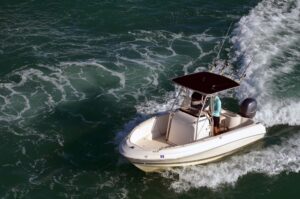 BUI charges arise in various circumstances across King County’s waterways. Our DUI defense attorneys handle every variation.
- Lake Washington BUI cases. The largest lake in King County sees heavy patrol presence, particularly near Bellevue, Kirkland, and Mercer Island shorelines. A Bellevue DUI lawyer familiar with Lake Washington enforcement patterns understands how marine units operate and where defense opportunities exist.
- Lake Sammamish BUI cases. Popular for recreational boating and water sports, Lake Sammamish generates significant BUI enforcement during summer months. The smaller lake means shorter distances between intoxication and shore—and quicker encounters with waiting patrol boats.
- First offense boating DUI. Initial BUI offenses carry mandatory minimum penalties similar to vehicle DUI, though some sentencing provisions differ. Understanding these distinctions affects both defense strategy and realistic outcome expectations.
- Repeat BUI offenses. Prior BUI convictions—or prior vehicle DUI convictions—enhance penalties for subsequent boating offenses. Washington treats impaired operation of any vehicle seriously, whether on water or road. Knowing your rights after arrest becomes critical when facing enhanced charges.
- BUI with accident or injury. Boating accidents involving impairment allegations carry heightened consequences and more aggressive prosecution. Collision investigation on water presents unique challenges that we address through professional analysis of boat handling, environmental conditions, and causation.
- BUI breath test refusal. Washington’s implied consent law applies to boat operation. Refusing a breath test triggers administrative consequences similar to vehicle DUI—but the circumstances surrounding consent requests on the water differ from roadside encounters. Challenging breathalyzer results principles apply when tests are administered, but refusal cases present their own defense opportunities.
Washington Legal Requirements For Boating Under The Influence
Washington law applies specific rules to impaired boat operation that parallel—but don’t perfectly mirror—vehicle DUI statutes. Understanding these requirements reveals both the prosecution’s tools and their limitations.
Under RCW 79A.60.040, operating a vessel while under the influence of intoxicating liquor, marijuana, or any drug is illegal. The same 0.08% BAC threshold that applies to vehicle operation applies to boats. The same 5 ng/mL THC limit applies as well. The prosecution can proceed on either per se theories (BAC at or above threshold) or impairment theories (affected by intoxicants regardless of level).
Implied consent under RCW 79A.60.100 means that operating a vessel on Washington waters constitutes consent to breath or blood testing if an officer has reasonable grounds to believe you’re impaired. Refusing testing triggers license suspension—your regular driver’s license, not a separate boating license. A DUI lawyer in Bellevue explains how implied consent applies in your specific situation.
Penalties for BUI are established by RCW 79A.60.070 and mirror vehicle DUI penalties in most respects. First offense BUI is a gross misdemeanor carrying mandatory jail time, fines, and license suspension. The Washington Department of Licensing handles driver’s license consequences—yes, your regular driver’s license—separately from criminal proceedings.
The Washington State Parks and county sheriff marine units enforce boating laws, often operating joint patrols during peak season. A Bellevue DUI attorney understands how these agencies conduct investigations and where procedural challenges may arise.
Defending Boating DUI Charges In Bellevue
 A Bellevue boating DUI lawyer employs defense strategies tailored to the unique circumstances of waterway enforcement:
- Challenging the basis for the stop. Officers need reasonable suspicion to stop your boat—but the standards differ from traffic stops. Erratic operation must be assessed against conditions on the water. Wind, waves, current, and the inherent instability of watercraft affect how “normal” boat handling appears. We examine whether the observed operation actually justified the stop or whether officers applied roadway expectations to waterway conditions.
- Attacking field testing conducted on water. Standard field sobriety tests were designed for flat, stable surfaces—not boat decks that move with every wave. The walk-and-turn test loses all validity on a rocking vessel. The one-leg stand becomes impossible when the “ground” keeps shifting. Our drunk driving defense team challenges whether any conclusions drawn from waterborne testing deserve evidentiary weight.
- Questioning environmental factors affecting assessment. Sun exposure causes flushed skin and bloodshot eyes. Hours on the water create fatigue. Dehydration from heat affects balance and coordination. Wind and spray cause eye irritation. We present these environmental realities as alternative explanations for observations officers attributed to impairment.
- Examining breath testing conditions. Were you given adequate time between potential regurgitation from seasickness and testing? Was the observation period conducted properly in an environment where wind and spray might introduce contamination? Breath testing on or near the water presents challenges that land-based testing doesn’t. Knowing what to avoid saying during any police encounter matters, but what happened during the testing process matters equally.
- Identifying operator versus passenger issues. Who was actually operating the vessel at the relevant time? On boats with multiple capable operators, establishing who was “in control” presents challenges that don’t exist in vehicle cases where the driver’s seat makes the answer obvious. We examine whether the prosecution can actually prove you were the operator.
- Challenging the timeline. Drinking on a boat often continues over hours while anchored or drifting. Your BAC at the time of testing may differ significantly from your BAC while actually operating the vessel. Rising blood alcohol arguments apply with particular force when consumption continued during extended time at anchor before being stopped while underway.
- Protecting your driver’s license. BUI consequences extend onto land. Working with a DUI defense attorney who addresses both the criminal charges and the administrative license consequences ensures that a day on the water doesn’t ground your driving privileges for months or years.
Contact Eastside DUI
Boating DUI charges carry consequences that extend far beyond the water. Criminal penalties mirror vehicle DUI. Your regular driver’s license faces suspension. And a conviction creates a record that affects future DUI sentencing whether you’re in a car or on a boat. Our Bellevue boating DUI lawyers have spent 15 years defending BUI cases on Lake Washington, Lake Sammamish, and other King County waterways—challenging stops, attacking unreliable testing, and protecting clients from consequences they don’t deserve.
We offer free consultations to evaluate your case and explain the defense strategies that apply to waterway enforcement. DUI defense fees start at $3,500, and we discuss costs transparently before you commit.
A summer afternoon shouldn’t become a criminal record. Contact Eastside DUI today.
